
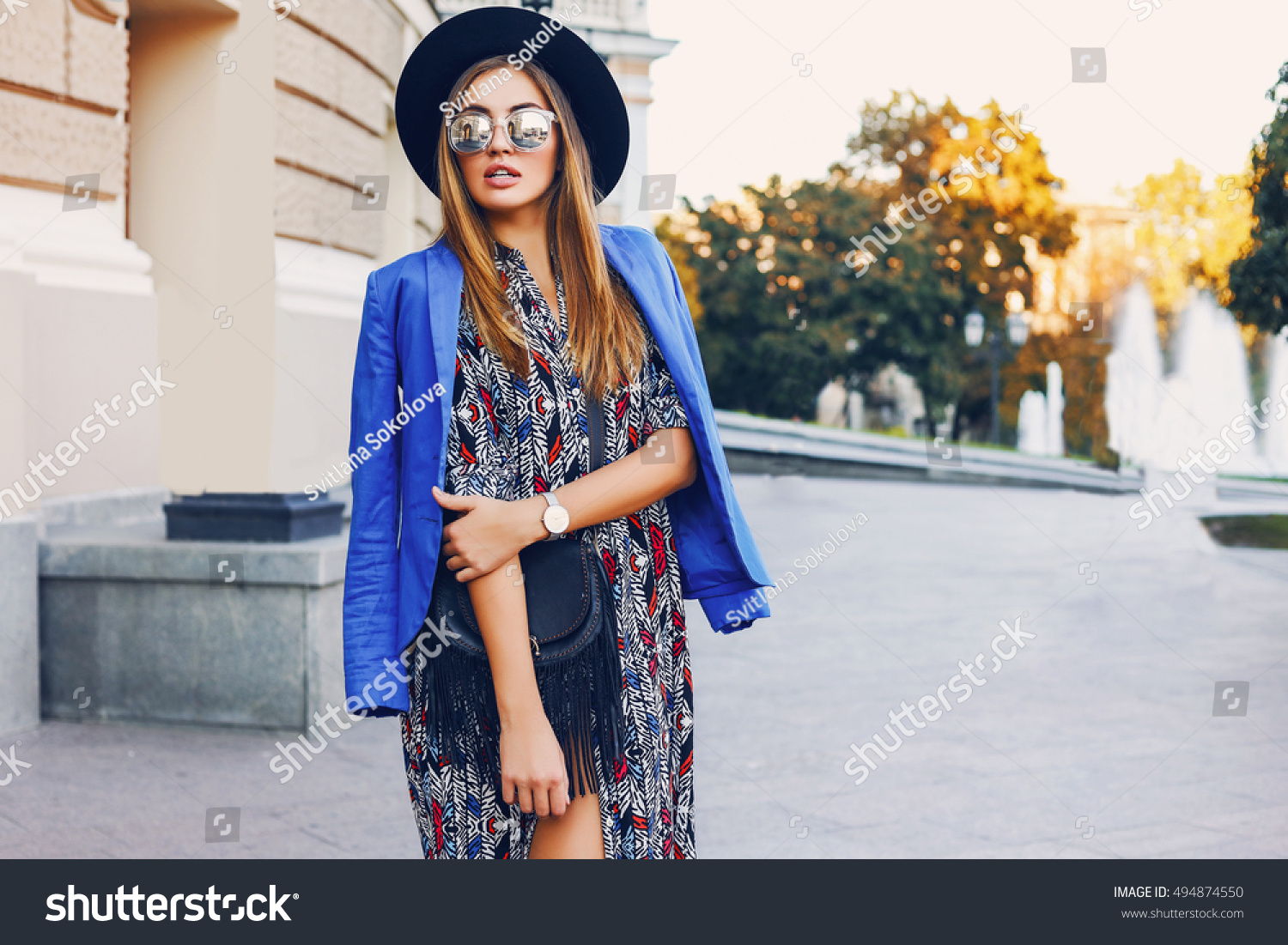
Timeless advice to elevate your everyday look with ease. These go-to tips help you make smart, stylish choices no matter the occasion.
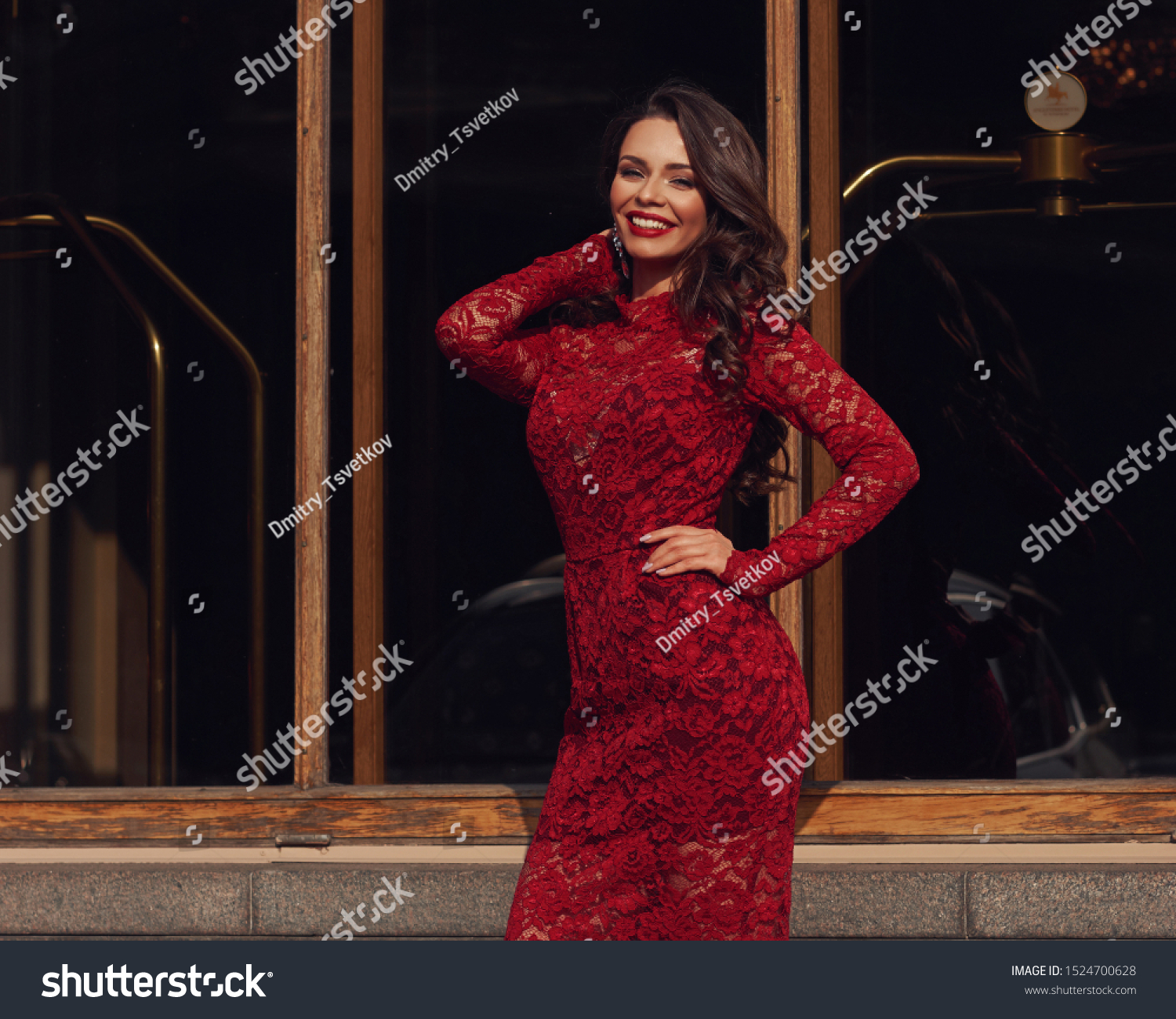
Discover how to pair colors, choose flattering tones, and create stylish combinations. Whether you love neutrals or bold hues, these tips will help you feel confident in every shade.
While color trends come and go, the key is to find colors that not only work for your complexion and eye color but also reflect your personality. Bold colors convey confidence, while softer shades provide a more subdued elegance.
Black, white, camel, and denim-friendly blues—they mix with everything.
Pair a bold color with denim, white, or black—it always works.
Soft blues, pastels like light pink or lavender, and cool shades like silver or white will enhance your blue eyes. Rich navy and dark gray will add sophistication and make your eyes stand out even more.
Green-eyed women should embrace earthy shades like olive, khaki, and rich browns. Colors like burgundy, plum, or deep red also complement green eyes beautifully by contrasting and highlighting their natural warmth.
Brown-eyed women can experiment with warm colors like burnt orange, red, terracotta, and deep yellow to bring out the warmth in their eyes. Jewel tones like emerald green or sapphire blue can provide a stunning contrast and make brown eyes pop.
Women with hazel eyes should go for warm hues that bring out the green and gold undertones. Shades like gold, amber, olive, and deep red will enhance the complexity of hazel eyes. Experiment with jewel tones like teal or purples for a more striking contrast.
Women with fair skin should embrace soft colors like pastel pinks, baby blue, light lavender, and soft peach to avoid overwhelming the complexion. Light neutrals such as white, off-white, and soft gray are also flattering, while bolder colors can be used in small doses.
Medium skin tones can pull off vibrant hues like coral, turquoise, emerald green, and fuchsia. These colors create a striking contrast that complements the warmth of your skin. Be mindful of pastels, which can sometimes wash out medium skin tones.
Dark skin tones have the unique ability to carry bold, saturated colors. Colors like royal blue, vibrant red, mustard yellow, and deep purple will look striking against your complexion. You can also experiment with metallics like gold, silver, or copper to add radiance.
When choosing neutral clothing, it’s essential to match the undertones of the color to your skin. For example, cool-toned individuals should opt for cool neutrals (like gray or cool beige), while warm-toned individuals should opt for warmer neutrals (like cream, camel, or brown).
If you have a darker skin tone, don’t shy away from stark contrasts, like pairing light and dark shades. For fair or medium skin tones, embrace softer contrasts to keep the overall look cohesive and flattering.
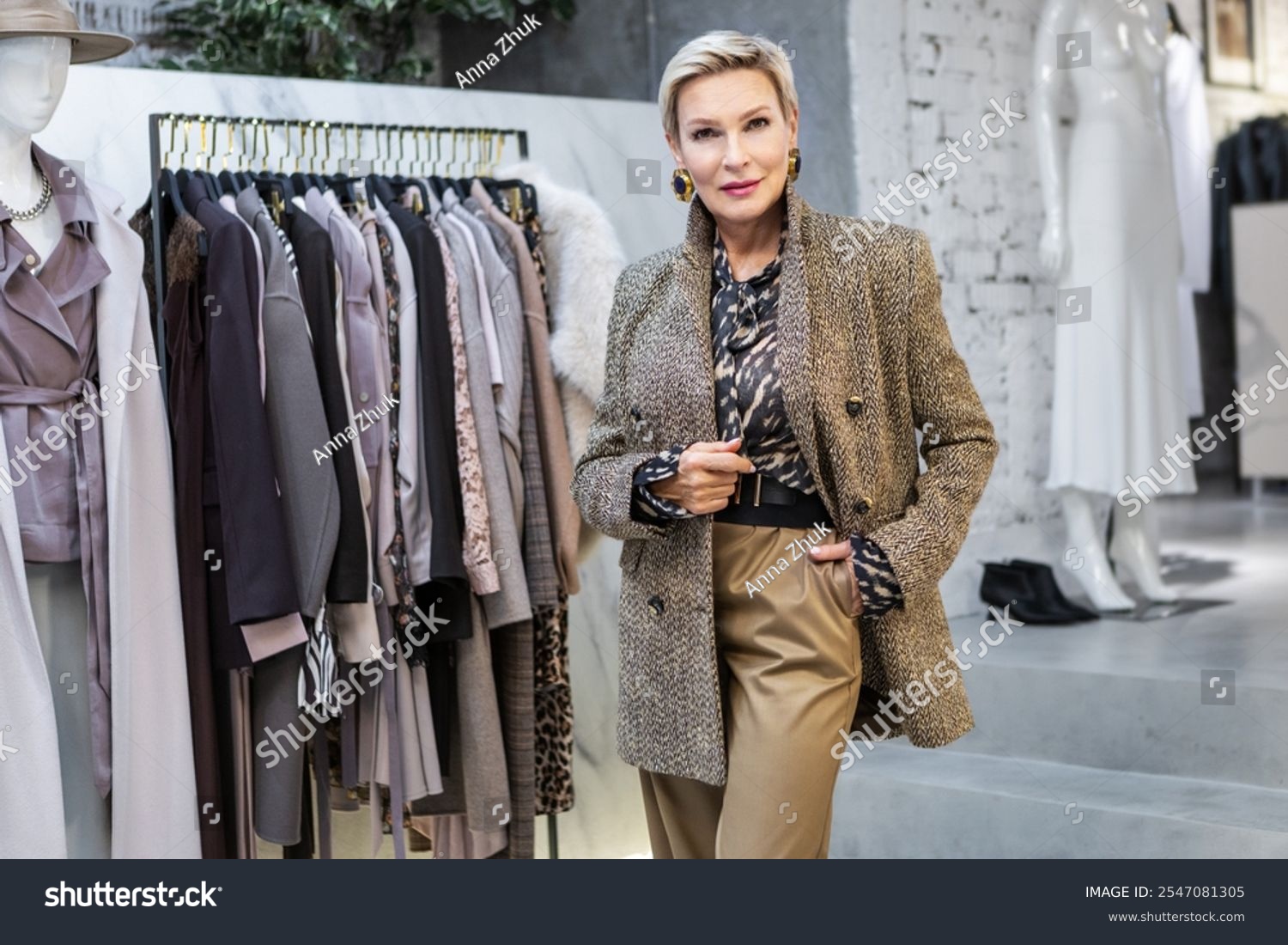
Master the art of mixing textures to add depth and interest to your outfits. Learn when to keep it simple and when to experiment for standout style.
Mixing different textures is a great way to create depth and interest in an outfit. For example, pairing a smooth silk blouse with a structured wool blazer or a flowy chiffon skirt with a chunky knit sweater gives your look a layered, textured feel that still feels balanced and cohesive.
For formal events, consider fabrics like satin, velvet, or brocade. These textures add an elegant and sophisticated touch to your outfit, perfect for evening wear or special occasions. Balance such textures with more subdued options like matte silk or wool for a sophisticated finish.
Soft, fluid textures like silk, chiffon, and satin can beautifully enhance a feminine silhouette, especially when styled in flowing dresses or skirts. These fabrics naturally move with the body, adding an effortless elegance to your look.
Textured fabrics such as wool, tweed, and bouclé are fantastic choices for colder weather, as they not only provide warmth but also add depth and interest to your outfits. These fabrics pair wonderfully with neutral colors, giving you a polished yet cozy look.
Adding texture through accessories can transform a simple outfit. Think about incorporating a velvet clutch, a leather belt, or a textured scarf. These elements provide a subtle touch of glamour without overwhelming your outfit.
If you’re wearing a structured piece, like a tailored blazer, balance it with a softer, fluid fabric like silk or jersey. This contrast creates an effortlessly chic look by combining the sharpness of structure with the gentle flow of softer textures.
Textured pieces like a tweed jacket, a lace blouse, or a satin skirt can transition easily from day to night. Pair a textured jacket with a simple tee for daytime, then switch to a satin blouse and heels for a chic evening look, keeping the textures as the focal point of the outfit.
When wearing heavy textured fabrics such as wool or denim, it's important to balance proportions. If you're wearing a heavy textured coat, for example, keep the rest of the outfit lighter, such as pairing it with a fitted dress or a sleek pair of leggings, to avoid adding bulk.
Mix rougher textures like denim, leather, or tweed with smooth fabrics such as silk, cotton, or satin to create visual contrast. This pairing adds intrigue to your outfit, creating a dynamic and thoughtful look.
Velvet is a rich texture that adds instant luxury and sophistication. A velvet dress, blazer, or even a pair of velvet shoes can elevate your look for evening events, providing that touch of opulence while remaining soft and inviting.
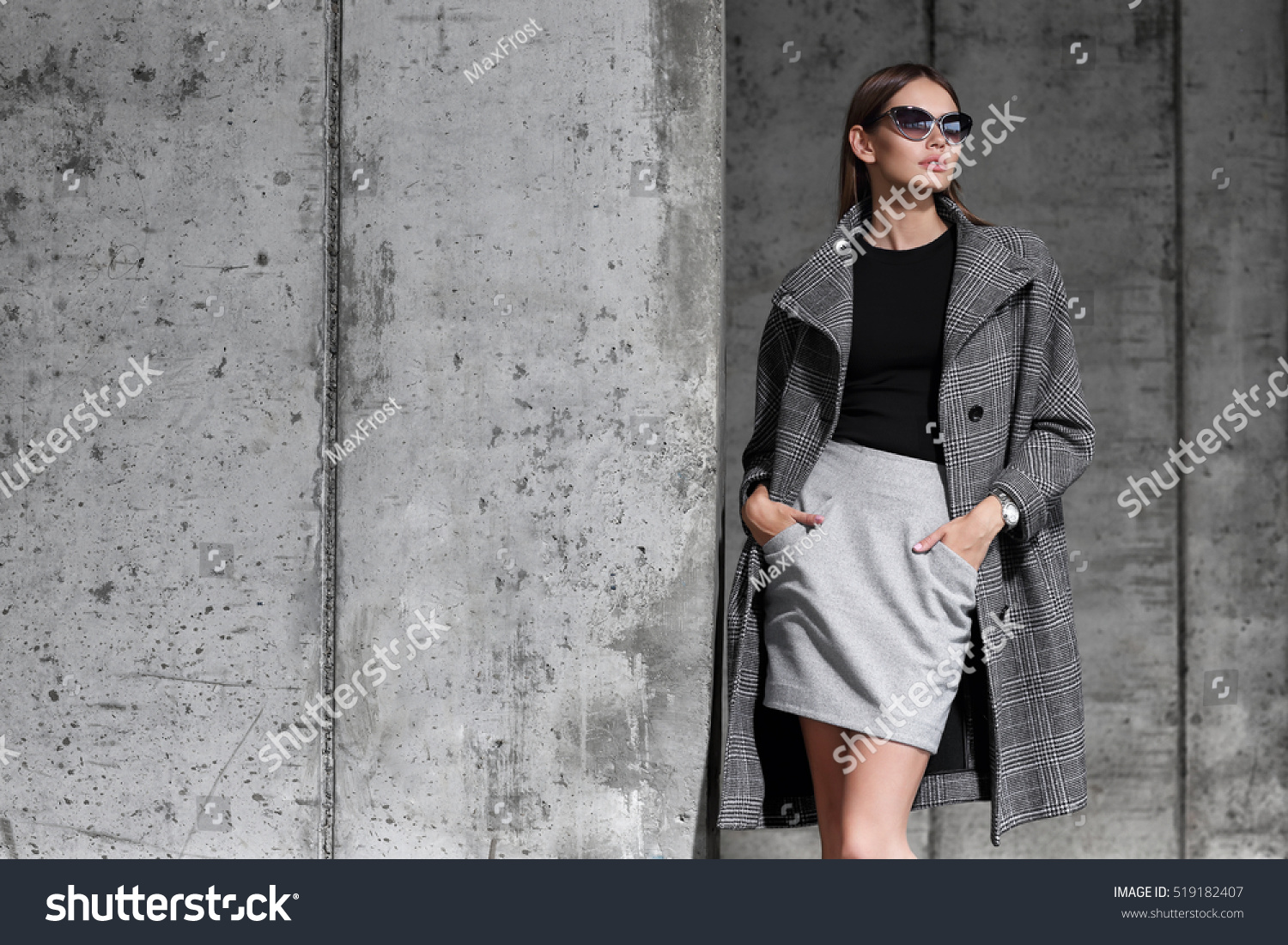
Stay stylish in every season by learning how to layer like a pro. These tips help you add dimension, warmth, and flair without the bulk.
Base layer + visual interest + third piece (jacket, vest, cardigan, belt bag).
Layering isn’t just about warmth— it’s a styling strategy. It creates shape, adds personality, and lets you adjust throughout the day
Just like men, women can enhance their layering by incorporating different textures. For example, layer a soft leather jacket over a silk blouse or a chunky knit sweater over a delicate chiffon top. Combining textures creates a multidimensional and thoughtfully styled outfit.
Flowy top, denim jacket, wide-leg jeans, and ankle boots with a felt hat.
Turtleneck under a midi dress with a cropped leather jacket and high-top sneakers or platform loafers.
Always layer with intention. Each layer should either add shape, contrast, or polish.
Layering begins with a proper base. Choose a fitted layer, like a sleek bodysuit, camisole, or turtleneck, that lays flat against your body. This prevents your outer layers from becoming too bulky, giving you a more polished and balanced silhouette.
When layering multiple pieces, ensure that each piece has a defined shape or structure. Opt for a tailored blazer over a loose shirt or a structured jacket with a flowy dress. This maintains a flattering shape while layering and prevents the look from feeling too bulky.
Layering doesn’t have to stop with clothing. Add scarves, belts, or hats to break up layers and create focal points. For example, a waist belt over a cardigan or a statement scarf over a coat can instantly add chicness and interest to your layered look.
If you wear one voluminous layer, such as a long trench coat or oversized sweater, keep the underneath layers slim to maintain balance. Too many oversized layers can overwhelm your frame, while a fitted base layer will help keep the silhouette sleek.
During colder months, opt for warm materials such as wool, cashmere, or quilted jackets. In warmer months, consider lighter, breathable layers like a denim jacket over a tank top or a lightweight cardigan over a dress. Layering with the season in mind will ensure comfort while maintaining style.
Layering outerwear can also help elevate your look. A chic, structured trench coat over a casual outfit instantly gives you a polished and sophisticated appearance. For a more casual vibe, a tailored jacket or bomber jacket can provide a cool contrast to more feminine, delicate layers.
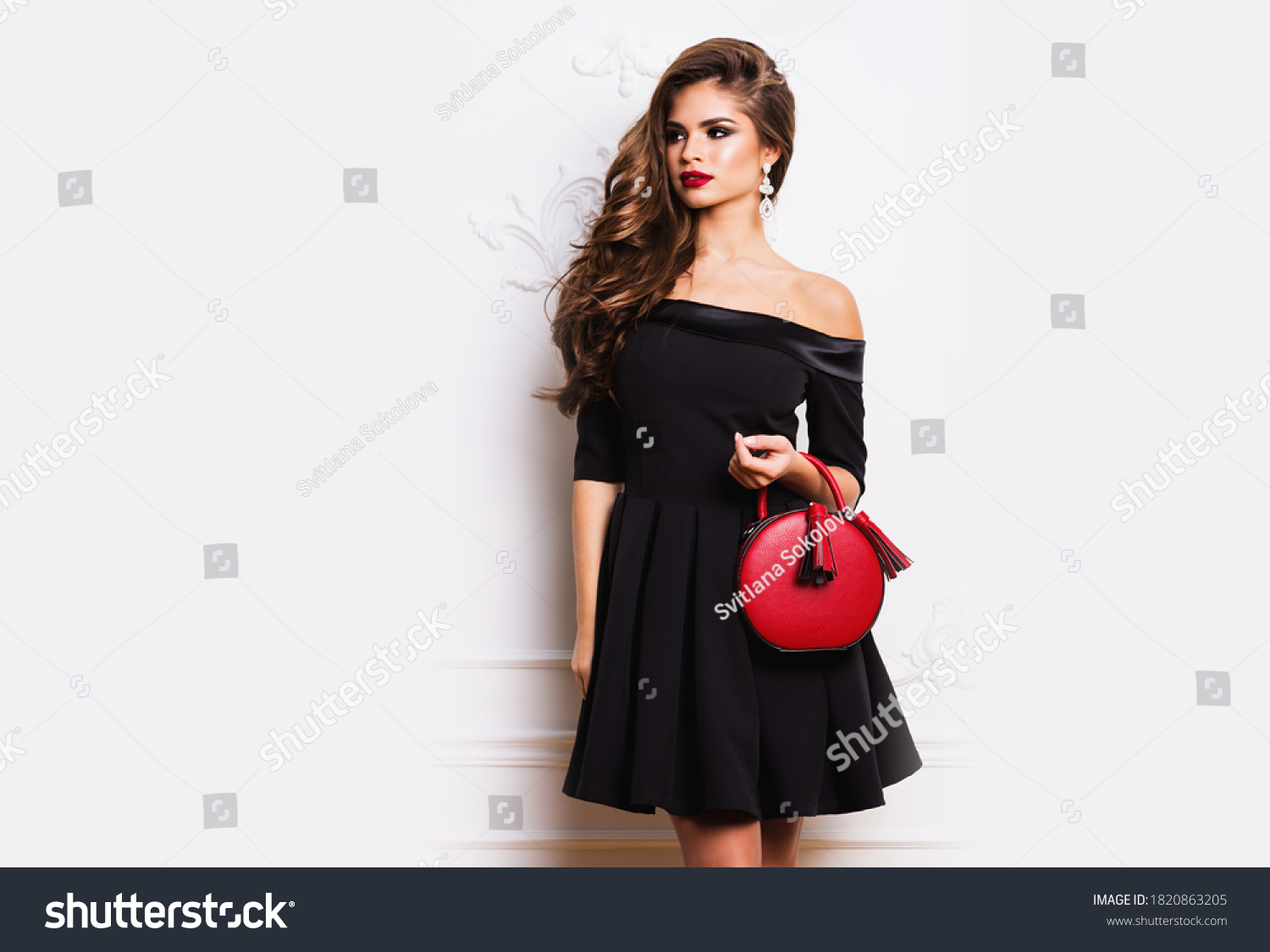
Tailored advice for taller individuals to create balanced, proportionate outfits that flatter your frame while showing off your height with confidence.
Dresses or skirts that flare out from the waist provide balance for taller figures by creating an hourglass shape. A-line skirts, in particular, can add softness and proportion to your silhouette.
Add a jacket, cardigan, or scarf to break up your body’s length. Layering can create depth and visually shorten your stature without detracting from your height.
To elongate your legs even more, wear pointed heels with tapered pants. This creates a sleek, streamlined look without overwhelming your frame.
Heavy fabrics like wool or denim create structure and add dimension to taller figures. Avoid flimsy fabrics that hang loosely, as they can make you appear more lanky.
Tops that hit just above the waist or at the hips can help break up a tall silhouette, especially when paired with high-waisted pants or skirts.
Wide-leg pants can make your frame appear unbalanced. Instead, opt for slimmer, tailored trousers that flatter your height and create a balanced proportion.
A tailored coat or blazer that fits well through the shoulders and waist can create an hourglass shape while keeping the proportions in check.
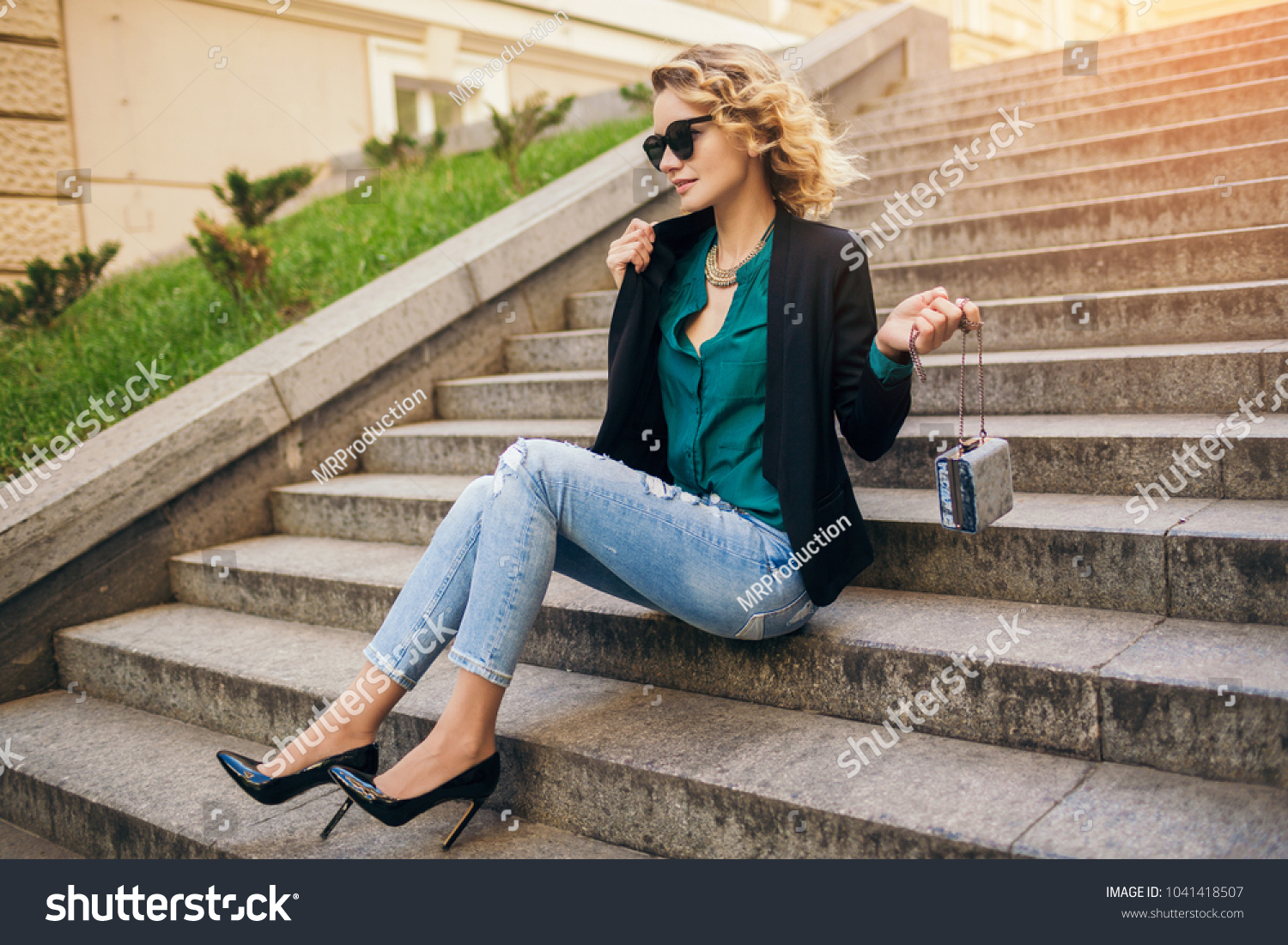
Flattering style tips for petite body types to elongate your silhouette, create clean lines, and dress with ease—no matter your height.
High-waisted pants, skirts, or dresses can elongate the legs and make you appear taller. Pair them with a tucked-in top to avoid cutting your figure into sections.
Choose outfits in one color or varying shades of the same color. This creates an uninterrupted line that helps you appear taller and slimmer.
Clothes that fit well—not tight—help you look taller without restricting movement. Avoid overly loose garments that swallow your frame and make you appear shorter.
V-neck tops and dresses create the illusion of a longer torso and draw attention upwards, elongating your silhouette.
Dresses or skirts that end just above the knee are the perfect length for creating the illusion of longer legs. Avoid skirts that fall mid-calf as they can shorten your legs visually.
Opt for small, subtle prints rather than large patterns. Bold prints can overwhelm a shorter frame and make you appear smaller.
Pointed-toe shoes, particularly heels, give the illusion of length and create a sleek, elongated look for your legs.
Vertical stripes, seams, or even button plackets on dresses or shirts add height. These details lead the eye up and down, giving the illusion of longer proportions.
Jackets that end just above your waistline or hip help maintain a balanced proportion. Longer jackets can sometimes make you look shorter.
A belt that cinches too high or too low can interrupt your proportions. A waist-defining piece should sit at the natural waist for balance.