Passionate home cooks and aspiring culinary students who value quality over convenience.
Individuals looking for more than just a digital cookbook; they are seeking a professional-grade culinary education.
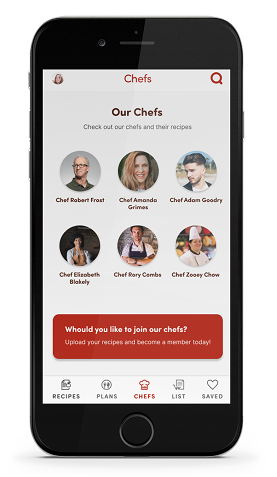
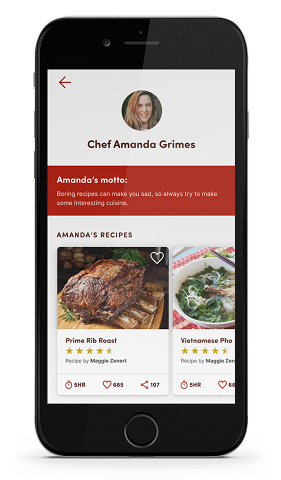
Expert chefs & content creators. If the app’s UX is poor, users may blame the chef's complex recipe for a failed meal
Reduce the stress by offering high-quality, pre-planned menus that align with the user's specific culinary goals.
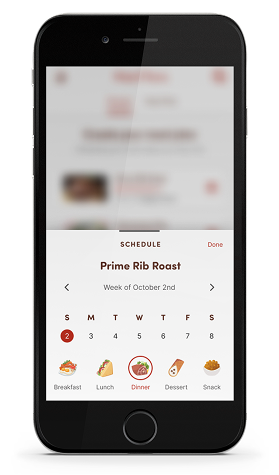
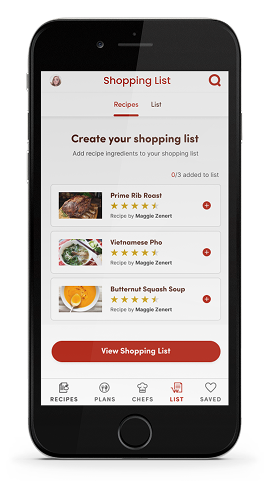
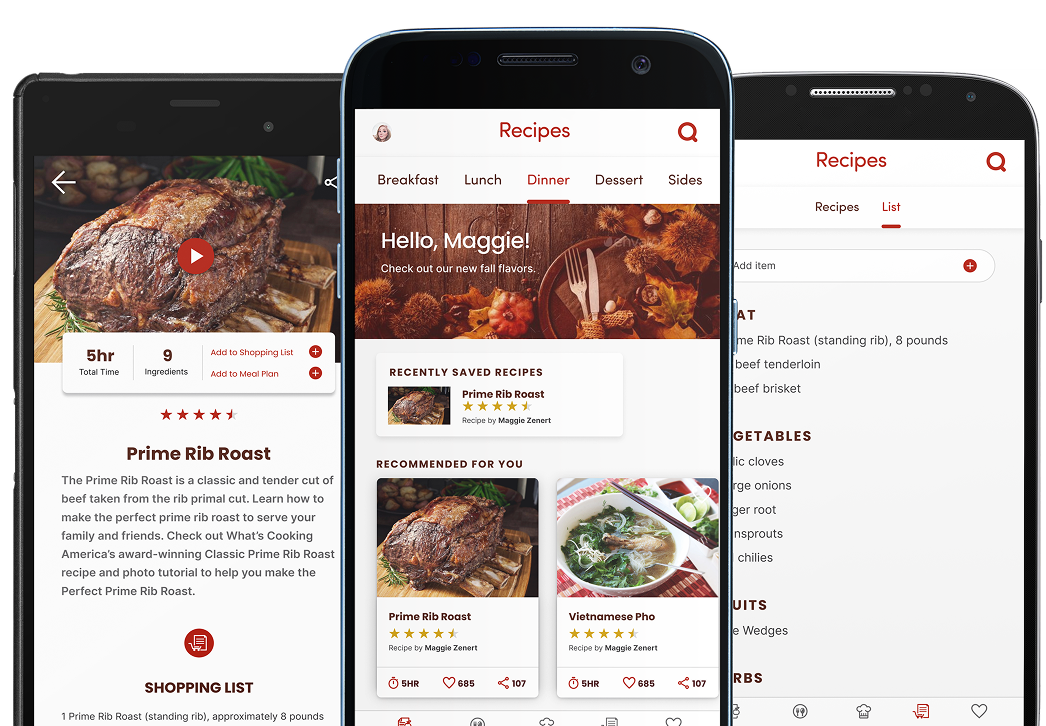
They need a cohesive ecosystem to manage expert-level recipes, structured meal plans, and precise grocery lists.
The behavioral gaps between aspiring chefs and standard home cooks
During the "pre-cook" phase (planning/shopping) and the active "cooking" phase (learning/executing techniques).
Phase 1: MVP (Minimum Viable Product) – 3 to 5 Months.
Assemble core team (Developer, UX Designer, Content Lead) to finalize the Statement of Work (SOW) and the 6-month roadmap.
The problem also occurs during downtime where users discover inspiration but lack a way to save it effectively.
Primarily in a domestic kitchen or at a grocery store, often switching between a mobile device and a countertop tablet.
Yummly Pro: It bridges culinary education with functional tools by offering a "chef-led curriculum" from experts.
High-level cooking creates extreme cognitive and physical friction that basic recipe apps aren't designed to handle.
To bridge the gap between "standard cooking" and "chef-level execution" while reducing the mental load of logistics.
Culinary Skills Gap – they lack the integrated tools to actually execute high-level skills in a real-world kitchen.
High-level cooking is being "solved" through a fragmented ecosystem of analog and digital tools.
By merging high-end culinary education with logistics automation, you move from being a "utility app" to a "lifestyle mentor."
By integrating educational video content with functional organizational tools like pantry tracking and automated shopping lists, we transition the app from a static reference tool.
The global recipe app market is experiencing rapid growth, projected to rise from approximately $667 million in 2023 to over $2.2 billion by 2033. The market is driven by increasing home cooking, demand for personalized, healthy meals.

This app is fed by BuzzFeed featuring easy-to-follow instructions with step-by-step videos for every recipe.

This unique step-by-step interface begins with the prep work with no toggling back and forth between ingredient lists and instructions.

This app promotes healthier cooking. It’s based on creating weekly meal plan, which generates your shopping list.

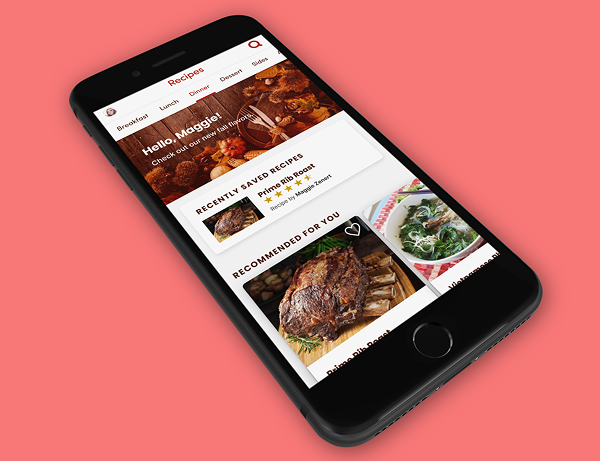
This app is known for its robust content and filtering capabilities, allowing for easy browsing using a simple category tab
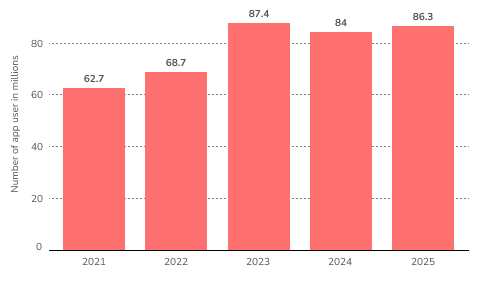
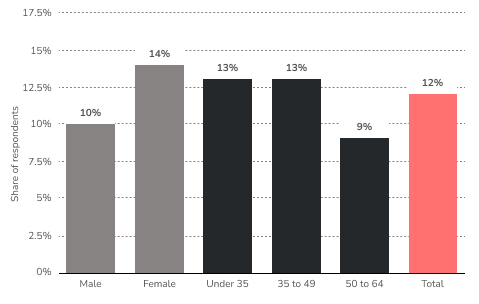
To compete, new apps must offer a, unique, value proposition, such as, hyper-specialized diets, superior, AI, organization, or, high-quality, exclusive, video content, as the, general, recipe space is, saturated.
Educational Utility: There is a growing niche for "Skills" content—teaching users how to sauté or julienne—rather than just providing the end recipe
High Abandonment: Roughly 41% of users uninstall recipe apps within 90 days due to clutter or "choice paralysis".
Eco-Conscious Cooking: Features that track food waste or suggest "eco-friendly" substitutes are becoming major differentiators for younger, sustainability-focused demographics.