Patients living with cancer who often feel overwhelmed, isolated, or "lost in the system".
Individuals living with cancer, clinical care teams, holistic support specialists, and Institutional stakeholders
The patient is the center of the experience, however a wide circle of people whose lives, finances, and mental health are reshaped by the disease.
Our goals are to transform the cancer experience from one of "fear and fragmentation" into one of empowerment and coordination.
Patients experience a fragmented journey. The current experience is reactive rather than proactive.
Identify which specific digital features offer the highest perceived value at different stages of the patient journey.
It’s not a single event but a continuous lifecycle that follows the patient’s clinical and emotional timeline.
Long-Term Results (1 Year) The most profound impacts relate to chronic management, survival, and sustained health system savings.
Full Integration & Scale (Month 12+) Partnering with insurance providers to offer the program as a standard member benefit.
It is a digital-physical hybrid context where the patient must manage their symptoms and mental health without immediate access to a professional.
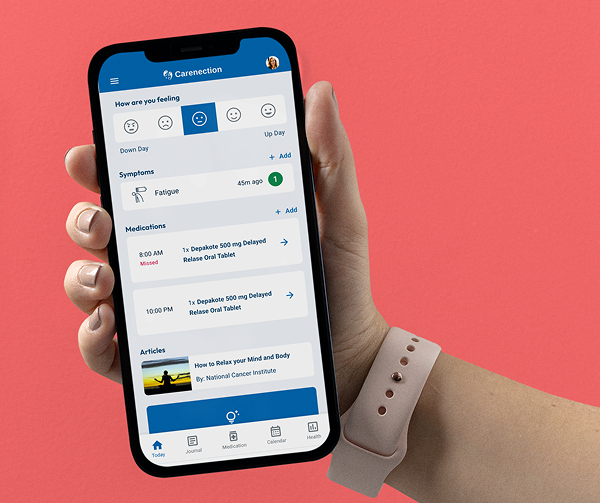
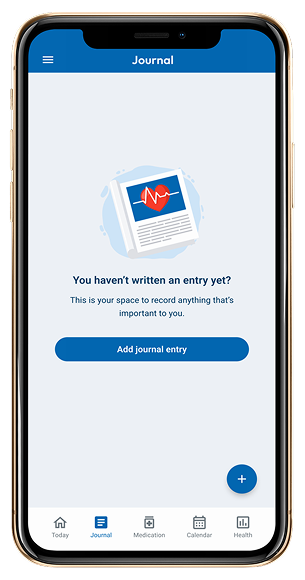
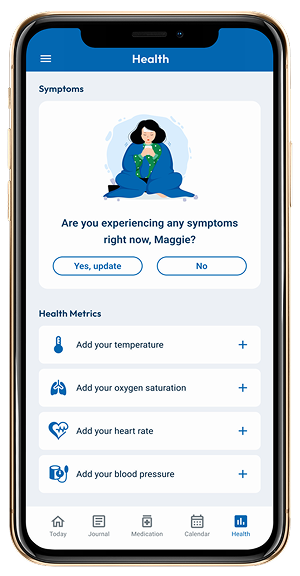
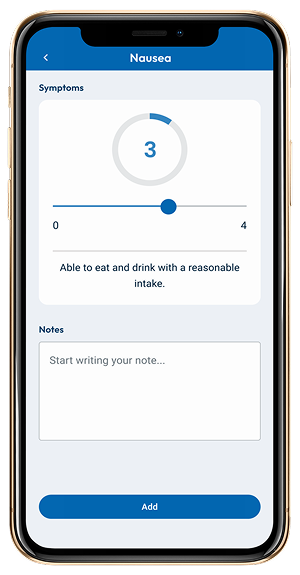
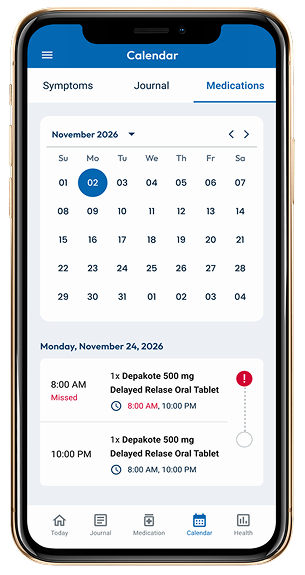
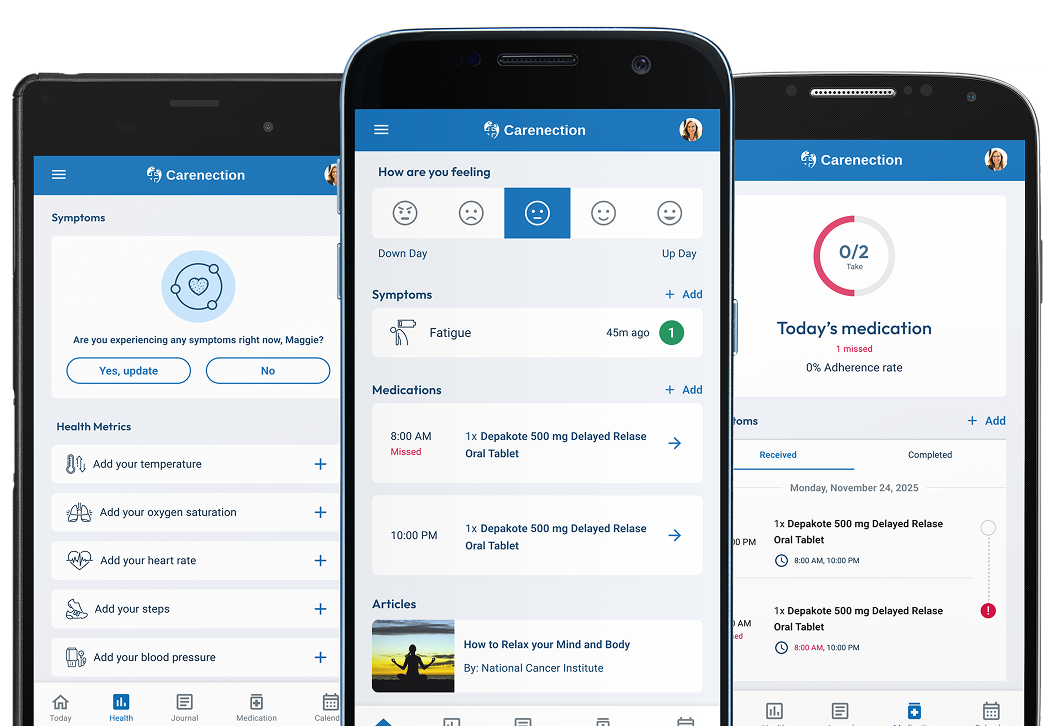
Mobile apps for reporting symptoms and accessing personalized stress reduction plans. Features real-time symptom reporting and peer connection.
Major cancer centers have built digital tools directly into their existing medical infrastructure to close communication gaps.
Healthcare data often exists in "silos," leading to a fragmented perspective on patient care. As a result, patients frequently need to repeat their medical history to different providers, which increases their cognitive burden and heightens the risk of errors.
Empowering the patient reduces the feeling of helplessness and improves clinical outcomes.
Patient data is trapped in fragmented Electronic Health Records (EHR) that don't "talk" to each other.
Today, cancer care is a "patchwork" of isolated tools where the patient has to search broadly for help and resources.
By shifting from a medical-only model to a human-centric ecosystem, you can create value that current fragmented systems cannot match.
To solve the fragmented cancer care journey, the program must move beyond being a "tool" and become a Unified Human-Digital Ecosystem.
| Situation | Motivation | Outcomes | Emotional Job | Social Job |
|---|---|---|---|---|
When...I am diagnosed with cancer and feel overwhelmed by complex information, multiple appointments, and a sudden loss of control. |
I want to...Access a single, integrated digital hub backed by a real human navigator. |
So I can...Manage my care journey with clear next steps and personalized support that adapts to my physical and mental state. |
Making me feel...Empowered and confident because I have agency over my treatment plan and a reliable support system. |
Others see I’m...Proactive and capable of handling this journey, showing my family and medical team that I am an active partner in my care. |
Applying the Jobs to Be Done (JTBD) lens to this framework reveals that cancer patients aren't just "hiring" a digital tool for information; they are hiring a solution to regain their sense of self and control amidst a chaotic medical crisis.
To navigate the fragmented healthcare system efficiently, ensuring all medical and non-medical needs (like transportation or mental health) are met without adding to the patient's burden.
To transition from a state of "patienthood" (feeling like a passive recipient of care) to a state of agency, where the individual feels they have the tools and emotional resilience to move forward.
To maintain identity and status within their community. A "human-centered" ecosystem helps patients communicate their needs to loved ones and appear to others as someone who is "managing" rather than just "suffering".